By George & Josh Bate

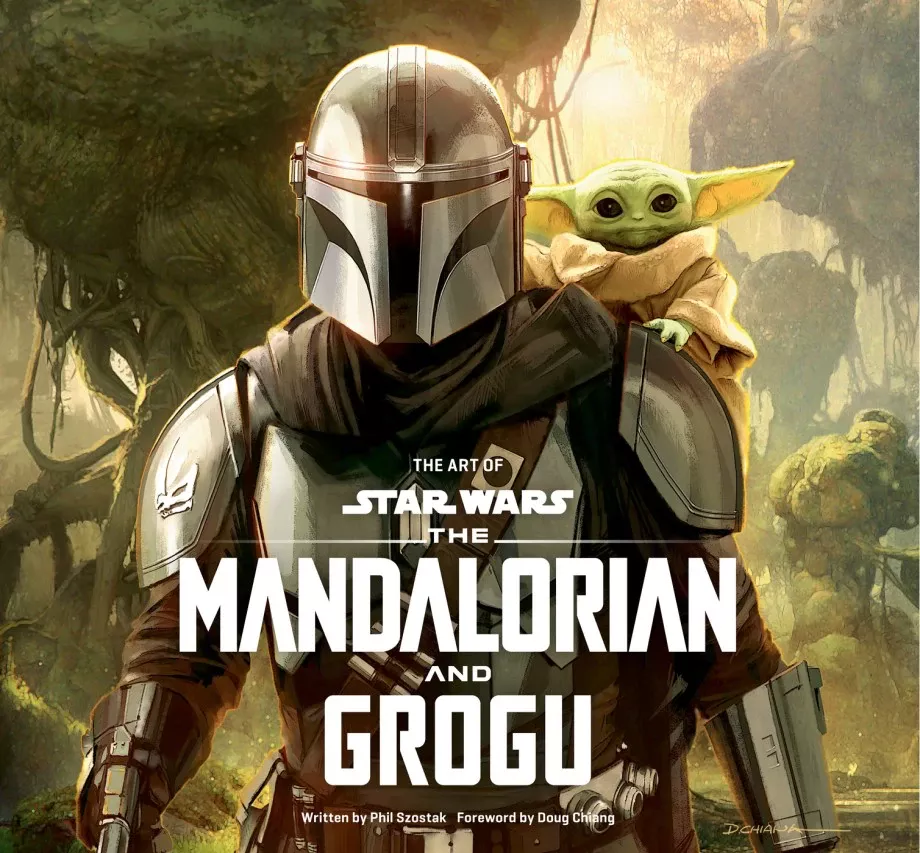
As is tradition in a galaxy far, far away, Star Wars movies and shows often receive official art books in the months following their release. And The Mandalorian and Grogu is no exception.
Written by Phil Szostak and published by Abrams Books, The Art of Star Wars: The Mandalorian and Grogu serves as the official behind-the-scenes companion to the recently released Star Wars film. The book takes fans behind the scenes of the first theatrically released Star Wars film in seven years, with concept art, sketches, and interviews with key creatives.
Amidst the stunning artwork, The Art of Star Wars: The Mandalorian and Grogu offers a number of fascinating insights about the film and Star Wars more generally.
Here is everything we learned from The Art of Star Wars: The Mandalorian and Grogu….
Over 9000 pieces of concept art were created for The Mandalorian and Grogu. This meant that The Mandalorian and Grogu had more concept art created for it than any single Star Wars film to date.
The core philosophy driving the design of the worlds, clothes, architecture, and more in the film was “80% rooted in the real world, 20% boldly imaginative.”
The snow planet at the beginning of the film is named Phostera, not Hoth.

Dave Filoni suggested that the AT-ATs at the start of the film draw more inspiration from AT-ATs in Star Wars Rebels than the ones originally depicted in The Empire Strikes Back.
It was Jon Favreau, not Dave Filoni, who proposed a more expanded role for Zeb in the film.
The Imperial Warlord’s base on Phostera was designed to be like the lair of a James Bond villain.
The AT-ATs traversing thin mountain roads were inspired by the 1977 film Sorcerer, specifically when the truck is trying to deliver the goods.
Adelphi Base drew inspiration from Baa Baa Black Sheep (the 1978 American TV series, renamed Black Sheep Squadron for its second season), with a U.S. military base in the South Pacific.
In initially struggling to figure out how to light the Razor Crest in space, the team referred to how Padme Amidala’s ship in The Phantom Menace was lit.
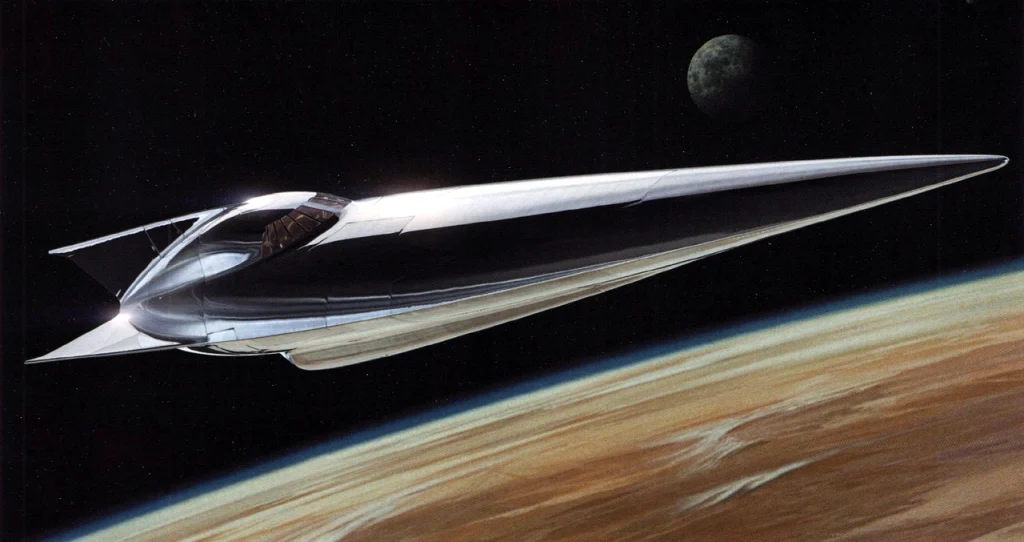
A closer look at the Sabacc Deck of outlaw Imperial officers is shown in the book. Although names for the characters are not provided, their designations are presented (in Aurebesh). After some translation, the names in the deck appear to be either ISB, TK, or LR. ISB refers to Imperial Security Bureau. TK refers to stormtroopers. LR is less clear, although it may mean lower rank.
The interior of Adelphi Base was designed to look like an officers’ lounge from World War II.
Before deciding upon creating Shakari, Jon Favreau and the creative team wanted to use Coruscant’s Level 1313 in the film. Filoni advised against this, however, arguing that the New Republic government based on Coruscant would just send military forces, rather than a bounty hunter for hire, down to the underworld to retrieve Rotta.
Despite co-creating Rotta the Hutt for the 2008 The Clone Wars film, Dave Filoni was not the person who suggested that Jabba’s son play a critical role in The Mandalorian. “That’s one hundred percent Jon,” Filoni said. Favreau elaborated, “People think Rotta came from one of Dave’s projects, that he’s the one who’s telling me to use him. And it was quite the opposite. I thought [Rotta] would be really fun. I like exploring marginal characters because little is known of them, yet they have deep roots.”
The original foam latex-skinned puppet of Jabba the Hutt in Return of the Jedi weighed one-ton and cost $500,000. Adjusted for inflation, this means Jabba would have cost around $1.9 million in today’s dollars.
In the book, John Knoll refers to the shows Dave Filoni and Jon Favreau have overseen as “The MandoVerse Shows.” To our knowledge, this is the first time this term has been used by someone within Lucasfilm.

Shakari was originally going to be made of bricks, but the team opted for steel instead as Ferrix in Andor had already used bricks prominently.
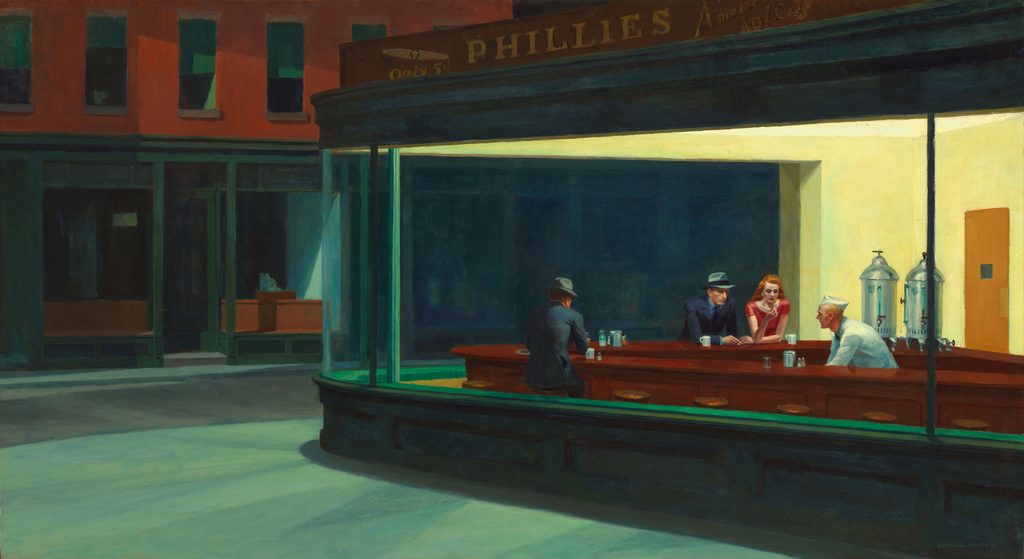
Edward Hopper’s iconic Nighthawks painting was a reference in designing the dark streets of Shakari.
Din Djarin’s duel in Coyne’s salt bar drew inspiration from John Woo’s Hard Boiled and the western classic Shane.
The exterior of the gladiator arena was inspired by the exterior of Wrigley Field in Chicago.
Favreau comments at one point in the book, “Han Solo has a bigger arc in many ways than Luke does in the original film.”
It was Favreau’s idea to have Grogu snack on Outpost Mix, which is sold at Galaxy’s Edge, during the gladiator fight.
The Dejarik creatures flooding the streets of Shakari was purposefully reminiscent of the 1995 film Jumanji in which the wild animals stampede after being summoned from a board game.
Co-President of Lucasfilm Dave Filoni makes a comment about his philosophy for including familiar characters, worlds, and Easter eggs in Star Wars stories. “Anytime we can string together similarities or give a nod to things that happened in other Star Wars mediums, I think it’s good,” Filoni said. “I think fans like that cohesiveness.”

Embo’s pet anooba has gums, teeth, and loose lips like the boar-wolf from Caravan of Courage: An Ewok Adventure.
Caddo Lake in Texas was used as a visual reference for designing the swamps surrounding the Hutt twins’ palace on Nal Hutta.
Grogu exploring the swamps of Nal Hutta paralleled Alice in Wonderland.
The Hutt twins’ palace was designed to look like a piece of sourdough bread. Designers even purchased loaves of sourdough bread and pulled it apart in order to model how the palace would eventually be destroyed.
The droid mercenaries guarding the Hutts’ lair doors were inspired by Talos from Jason and the Argonauts.
Finally, Doug Chiang has a quote in the book that possibly reveals the species name for Yoda, Yaddle, and Grogu. “Maybe all these Yodas [share the instinct to make huts] or something,” Chiang remarks. While far from official confirmation that the species is named Yodas, Chiang’s comment reflects the closest thing we’ve got to a name for the species of little, wise, Force-sensitive green creatures.
The Art of Star Wars: The Mandalorian and Grogu is now available for purchase.