
By George & Josh Bate
The following is a capsule review of Smudge the Blades out of TIFF 2026
Few genres adhere to such a strict formula as sports movies do, making it difficult for filmmakers to put a novel spin on stories that use athletic competition as the backdrop for tales of struggle and growth. While director, co-writer, producer, and leading actor Cody Lightning doesn’t exactly pull off the admittedly challenging feat of creating a wholly original sports drama, he nonetheless triumphs with a touching underdog story that cleverly inverts a key trope of the genre.
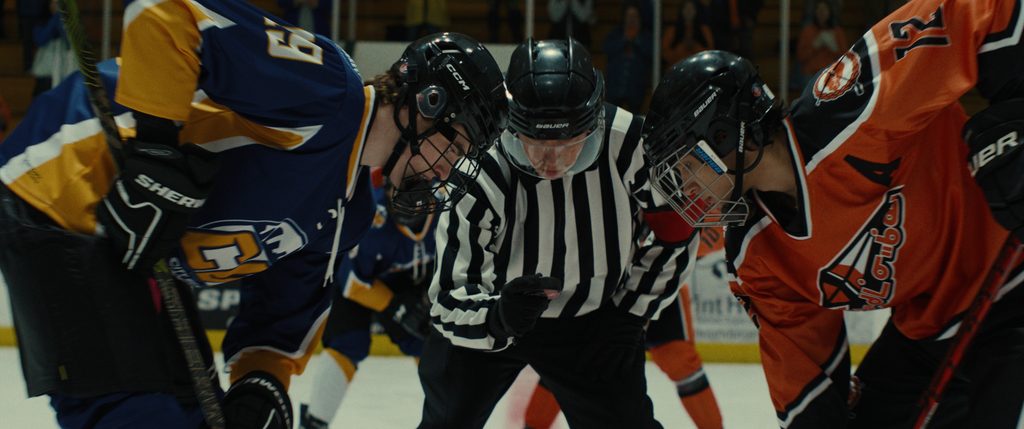
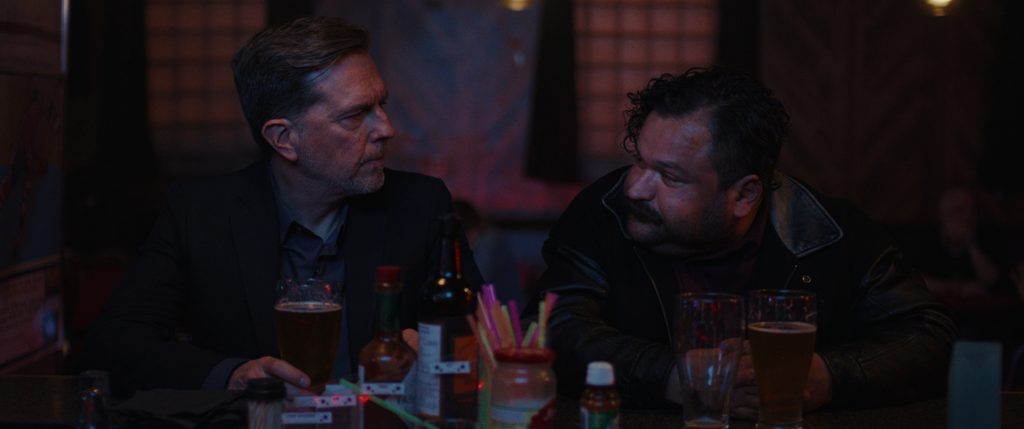
Making its world premiere at this year’s Toronto International Film Festival, Smudge the Blades takes place in Northern Alberta and follows a disorderly Indigenous youth hockey team recently kicked out of their league and abandoned by their coach (Ed Helms). When all seems lost for the team, in comes Willie (Lightning), the local arena’s Zamboni driver who volunteers to coach the team, largely to win the heart of hockey mom Chanelle (Jana Schmieding). But Willie faces pushback from the rowdy players, while he reckons with his own unfortunate history with the sport.
Smudge the Blades forges a unique identity amidst the over-saturated sports drama genre by centering the story around a disillusioned, pessimistic coach, whose words are the antithesis of inspirational. Scorned by his failed career as a hockey player, Willie questions why the boys (and one girl) on the team take the sport so seriously, although he slowly finds himself more dedicated to the cause.
Lightning overwhelmingly succeeds in making each and every one of the players on the team distinct characters, each with their own unique arcs, parental relationships, and struggles. The film may drag in places, but it makes for exceedingly heartwarming and even tear-jerking viewing, especially in its crescendo of a final act. Lighting marvelously leads the film and anchors the emotional weight of the story, while behind the camera he brings a tenacity to the hockey scenes and an intimacy to the interpersonal scenes. Perhaps more than anything, Lightning’s greatest achievement is transposing a Saturday Night Fever-esque desire to use a passion to escape from dead-end living to Indigenous youth in Canada and ultimately lands on a resounding note about the importance of doing what you want, despite what the world says.