
By George & Josh Bate

For us, there was not a single movie released in 2025 that underwent such extensive positive reappraisal following rewatches as 28 Years Later. Director Danny Boyle and screenwriter Alex Garland revisited their distinctly British, Rage virus-infected post-apocalyptic hellscape to forge a sequel that retained the gritty, dynamic style of the 2002 classic but was bogged down by disjointed storytelling and a rather familiar approach to the zombie subgenre. However, upon multiple rewatches, the emotional weight of a climax somehow both heartbreaking and heartwarming resonated strongly and, backed by incredible performances from Jodie Comer, Ralph Fiennes, and Alfie Williams, propelled Boyle’s film to be included on our Top 10 Best Movies of 2025 list. Of course, the movie then concluded on a bonkers and, if you are even remotely familiar with the infamous Jimmy Savile, deeply unsettling final note that made the 206 day wait for a sequel even more excruciating. Much to our delight, 28 Years Later: The Bone Temple exceeds expectations as a darker, more unnerving, and surprisingly humorous installment that excels in its pivot away from the infected and toward the horrors of cults and the cruelty of man.
Stepping into the director’s seat, Nia DeCosta (The Marvels, Hedda) and screenwriter Alex Garland’s sequel picks up shortly after the events of the previous film. After running away from home, Spike (Alfie Williams) has fallen into the hands of the alluring and unsettling Sir Jimmy Crystal (Jack O’Connell), the psychopathic leader of a cult known as The Jimmys. Meanwhile, Dr. Kelson (Ralph Fiennes) forms an unexpected bond with an infected person, a relationship that has potentially world-altering implications.
If rage-fueled zombies feasting off human flesh and ripping skulls and spinal cords out of human bodies wasn’t gnarly enough, 28 Days Later: The Bone Temple tips into decidedly darker, more violent, and more disturbing territory. As many of the great zombie movies and televisions do, Nia DaCosta, who seamlessly emulates Danny Boyle’s style while adding a unique directing flavor of her own, relegates the undead to the background by making other human characters the real antagonists of the story. The primal, unfiltered violence of the preceding film certainly remains, but it is now coupled with a level of brutality and cruelty that renders The Bone Temple a truly unsettling viewing experience.
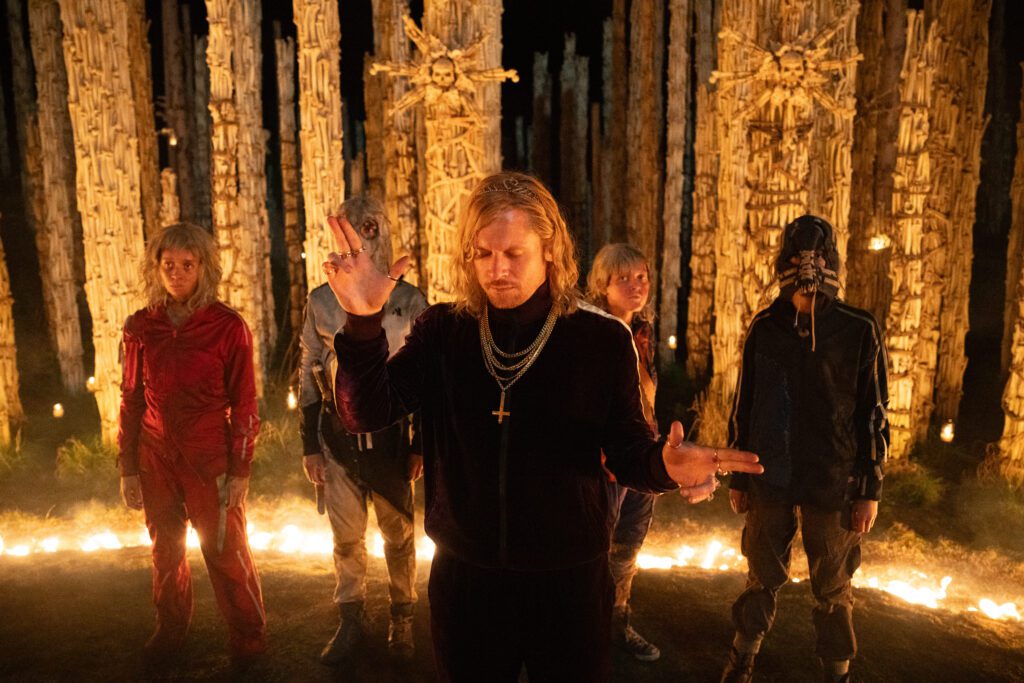
The brutality and cruelty come from the Jimmys, the kung-fu practicing, track suit-wearing Jimmy Saville impersonators who appeared in the final scene of 28 Years Later. As Boyle’s film set up, this sequel primarily follows young Spike as he reluctantly joins the mysterious cult and gets a front row seat to newfound depths of savagery. DaCosta wastes no time establishing the Jimmys as frightening antagonists, quickly dispelling any notion that their somewhat comical presence and aesthetic in the last film would imply a lack of threat. The Jimmys are unsettling to a level even the most disturbing of horror movie villains seldom ever achieve. They are unpredictable, impulsive, and, most of all, violent. That they are always inclined to resort to violence is just the tip of the iceberg though as the members relish in giving “charity” to their victims, a codeword for the twisted torture and barbarity that the group finds pleasure in.
Sharp and succinct writing from Alex Garland quickly builds the lore surrounding the Jimmys without resorting to dry exposition dumps or tedious flashbacks. Scene-by-scene, the film reveals more layers about the group, in particular their enigmatic and ominously charismatic leader Sir Lord Jimmy Crystal. The psychology, motivations, and insecurities of his character are deftly pieced together over the course of the film, especially when considered in the context of the prologue from the preceding film, which featured Sir Jimmy as a young boy. Crafting a character destined to achieve horror movie icon status in the near future, Jack O’Connell delivers a transformative performance as Sir Jimmy. Much like Heath Ledger’s Joker in The Dark Knight, O’Connell’s presence in the movie immediately spikes anxiety and fosters tension, even if he is doing something as innocuous as eating or sitting at a table. The film doesn’t try to forge a sympathetic figure out of Sir Jimmy; rather, they make him an increasingly detestable figure, one whose threat engenders great care and concern for Spike and raises the film’s stakes to new heights.
If there’s any fault to be lodged at Sir Jimmy, it is that the film fails to capitalize on the wild decision to make him look and dress similar to the notorious Jimmy Savile. There are obvious parallels between Savile and O’Connell’s character beyond aesthetic similarities, namely that the two subject children to horrors beyond imagination. Otherwise, however, there is little made of the Jimmy Savile allegory, rendering it a wink to the audience at best and a gimmick at worst.
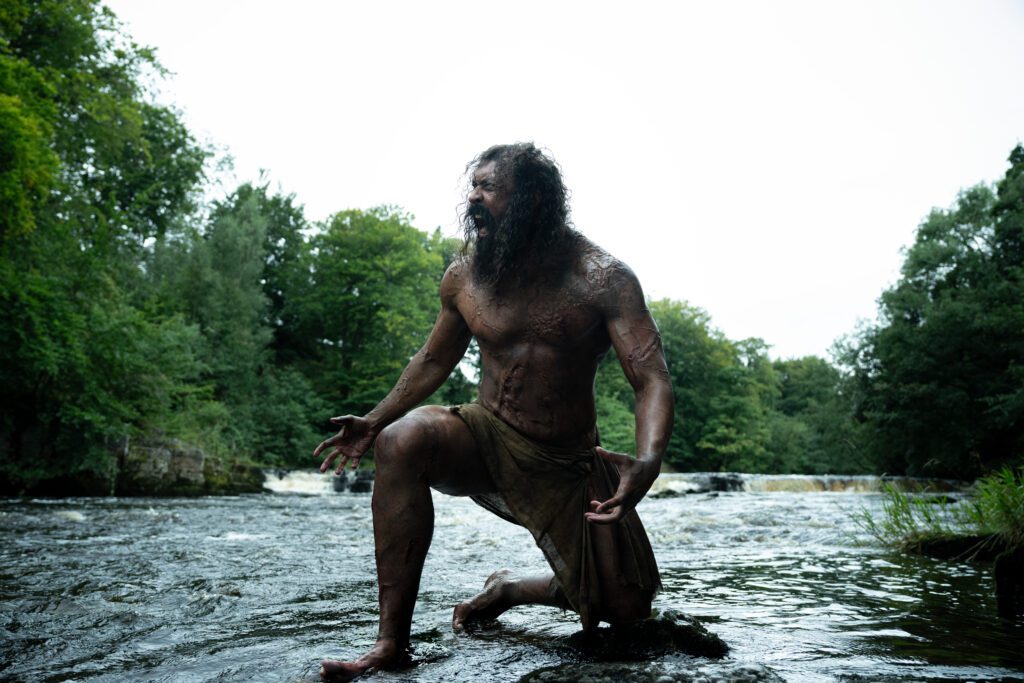
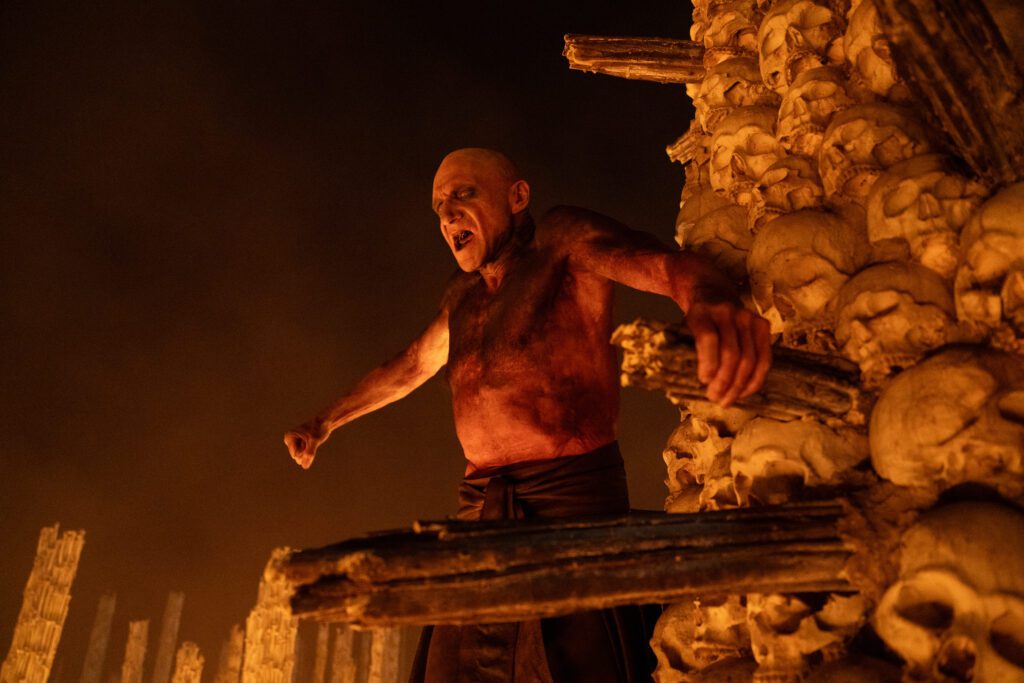
Serving as the endlessly warm antithetical fold of O’Connell’s Sir Jimmy is Ralph Fiennes, who returns as Dr. Ian Kelson for a more sizable role in the new film. With half of 28 Years Later: The Bone Temple dedicated to the dark and haunting world surrounding Sir Jimmy, the other half focuses on the substantially more wholesome, gentle, and even beautiful life of Fiennes’ Dr. Kelson. Without delving into spoilers, this half fascinatingly expands the lore surrounding the infected, and our understanding of them, by pushing the narrative of the 28 Days Later films in a subversive and unexpected direction.
Chi Lewis-Parry’s Samson, the physically imposing Alpha infected who quickly became a viral sensation last year, plays a far greater and more important role this time around and, together with Fiennes, comprise the heart of The Bone Temple. Admittedly, DaCosta’s film doesn’t pack the emotional gut punch that the heartbreaking finale of its predecessor did, nor does its conclusion resolve Dr. Kelson’s story in an entirely satisfactory manner, but, through the remarkable warmth of Fiennes’ performance and the character he is able to craft, it taps into some strong emotions nonetheless.
Eventually, of course, the two sides of the coin that make up 28 Years Later: The Bone Temple collide for a showstopper of a final act that rivals any from contemporary horror cinema in terms of spectacle and deft balancing of horror and humor. DaCosta and Garland don’t hold back and swing for the fences with an ending that could have easily gone awry in being too bonkers or too silly. Thankfully, that’s far from the case. Throughout the film, but especially in the final act, the filmmaking team injects a remarkably strange and dark humor into the movie that perfectly juxtaposes the terror on display. The Bone Temple is certainly the darkest and most violent installment of the franchise, but it’s also the funniest, which, together, make for a viewing experience that will have you laugh out loud at something completely ridiculous one second, only to cringe in fright or disgust the next.
Just when the adrenaline and emotion subsides from the showstopper though, 28 Years Later: The Bone Temple concludes on a tantalizing final note. Danny Boyle has not shied away from speaking about what the final note entails, but, in case you’ve missed it, we’ll avoid giving away anything about the ending here. Rest assured, however, that it will make the wait for Part 3 even more agonizing than you can imagine.
VERDICT: 8/10
Darker, more violent, and more disturbing, yet somehow much funnier, 28 Years Later: The Bone Temple follows the superb 28 Years Later with another heart-pounding trip to a United Kingdom plagued by the Rage virus. Nia DaCosta steps into the director’s chair with confidence, seamlessly emulating Danny Boyle’s signature, gritty filmmaking style while adding her own flavor of directing to the mix. Like many of the best zombie movies and shows, her film, written by returning screenwriter Alex Garland, relegates the undead to the background by positioning human characters as the real antagonists to fear. The antagonists in question – the Jimmys – bring a level of brutality and cruelty few films dare to touch, rendering The Bone Temple the most disturbing and frightening installment of the franchise. Leading the psychopathic pack of killers is Jack O’Connell, whose transformative, menacing, and deeply unsettling performance is destined to turn Sir Lord Jimmy Crystal into a horror movie icon. Ralph Fiennes, meanwhile, serves as the warm and gentle antithetical fold to O’Connell’s character, with Dr. Kelson playing a more substantial role in this outing. The narrative surrounding Fiennes’ character fascinatingly expands our understanding of the infected and takes the franchise in an unpredictable direction. This all culminates in a showstopper of a finale that, while lacking the emotional heft of the preceding film’s final act, makes for a rousing spectacle that deftly blends horror and humor. If that wasn’t enough, The Bone Temple caps off with a tantalizing tease for Part 3 that will make the wait for its release agonizing. Seven months ago, Danny Boyle and Alex Garland revived a dormant horror franchise with one of the year’s best films. Now, Nia DaCosta joins the fold and creates one of the best horror sequels of the century.