
By George & Josh Bate
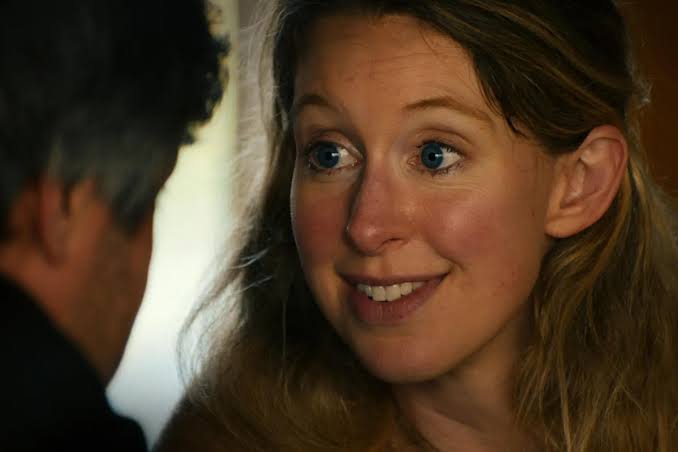
Media and public interest surrounding Elizabeth Holmes over recent years rivals any person on the planet. A meteoric, myth-making rise to become the ‘Next Steve Jobs’ followed by a catastrophic, high-stakes scandal made Holmes a topic of discussion as the narrative surrounding her life shifted from a feminist tech-pioneer triumph to an ominous corporate thriller overnight. Fixated on her physical transformation, sense of fashion, and unblinking stare, the public questioned whether Holmes was a calculated criminal or someone who genuinely and delusionally believed in her own lies, and it’s with this fascination that spawns You Can See Everything, an absorbing, even hypnotic documentary that gives new meaning to the term thought-provoking.
From co-directors Nathan Fielder and Lance Oppenheim (Primetime), You Can See Everything follows Holmes in the thirty-four days leading up to her imprisonment. Holmes and her husband Billy invite Fielder and his skeptical film crew into their home to intimately document every facet of their lives, allowing Fielder to grow closer to the notorious figure and inquire directly about her culpability in the Theranos scandal.
Here are the 10 craziest moments from You Can See Everything. Full spoilers ahead….
Full-Frontal Nudity
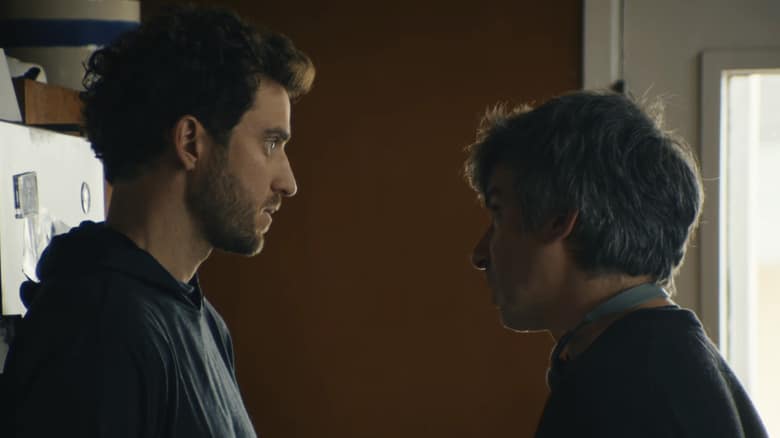
You Can See Everything lives up to its title early on with an uncomfortably intimate scene of Holmes’ husband, Billy Evans, taking a shower completely naked after working out, with the cameras capturing every inch of it.
The scene is particularly bizarre as Evans and Holmes have seemingly agreed to let Fielder film virtually everything. However, Evans gets irritated by seemingly minor inconveniences, such as Wi-Fi problems and how his wife makes an egg. The contrast between his insistence on total access and his apparent discomfort with the filmmaking process makes the nudity feel less like a random shock and more like the calculated move of a master manipulator.
Elizabeth Holmes Says She Has Never Told A Lie
There are bold claims, there are delusional claims, and then there is telling Nathan Fielder that you have never lied in your entire life.
When Fielder asks Holmes whether she has ever told a lie, she insists she has not intentionally lied. He tries to make the question easier by bringing up the concept of a harmless white lie, like pretending to be sick to avoid a social gathering. Holmes still struggles to come up with an example.
This conversation is particularly shocking in that this is the same Elizabeth Holmes who was convicted of defrauding investors in connection with Theranos, the blood-testing company whose technology failed to deliver on its promises.
Holmes maintains that she tried to say what she believed. Evans even backs her up, describing her as unusual rather than dishonest. The exchange proves fascinating, because it encapsulates the central mystery at the heart of the film. Is Elizabeth Holmes the most calculated and intelligent of manipulators on the planet? Or is she genuinely oblivious of her own deception?
“Who’s On First?”
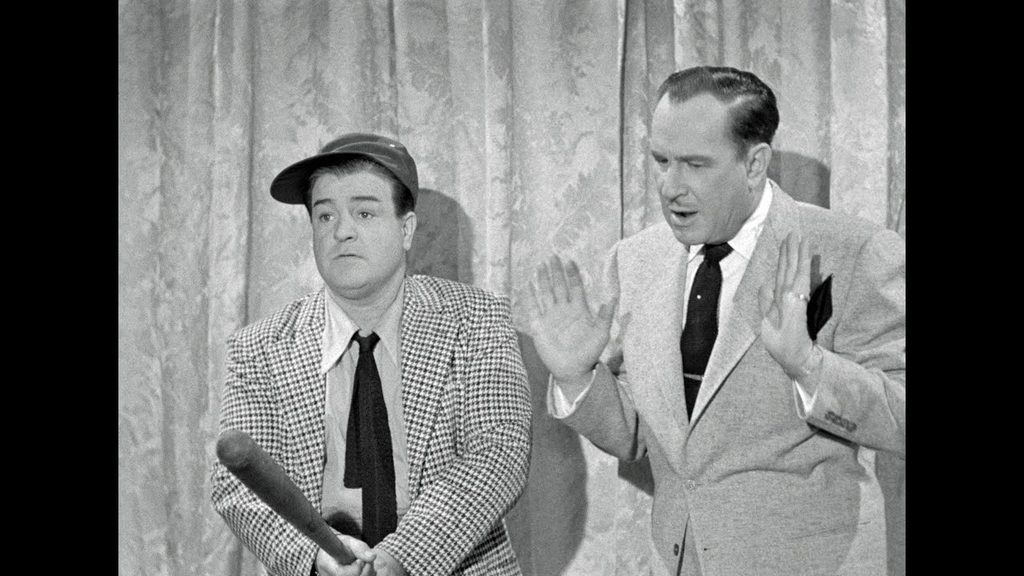
Fielder eventually tries a different approach to understanding Holmes’ seemingly singular style of communication and relationship with the truth. In one of the film’s best scenes, Fielder, Evans, and Holmes sit on a couch and all watch Abbott and Costello’s legendary comedy routine “Who’s on First?” together.
The joke depends on a deliberately confusing exchange about baseball players whose names include Who, What and I Don’t Know. Fielder sees a parallel between the routine and Holmes’ explanations of Theranos’ technology.
Holmes had previously claimed that the company’s device could perform a broad range of tests using just a few drops of blood. In the documentary, she explains that she meant the device had the potential to perform those tests, rather than being capable of doing so at the time.
Fielder struggles to understand how she cannot see why that distinction would confuse investors and the public. He plays the comedy routine for her, and while she initially laughs, Fielder realizes, upon further questioning, that Holmes cannot clearly explain what makes it funny. If taken as a valid response, this pivotal scene suggests that Holmes does not view the world and understand language the way most others do.
Elizabeth Holmes Watches The Dropout
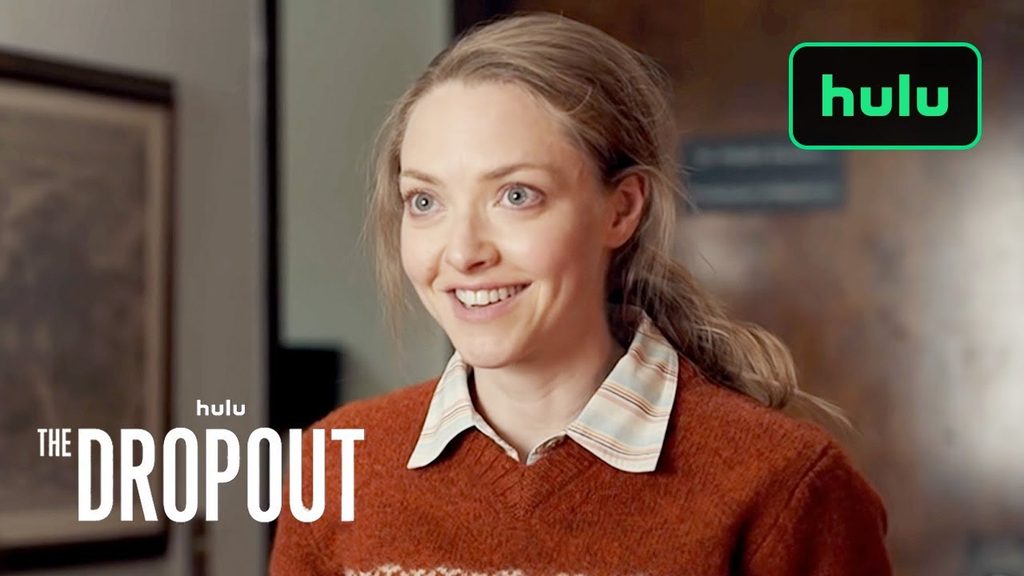
Holmes tells Fielder she has never watched Amanda Seyfried portray her in Hulu’s The Dropout, the 2022 limited series about Theranos. So, of course, Fielder persuades her to watch it with him and Evans.
The viewing session takes place in bed, which makes the whole thing feel even stranger. While at first, Holmes appears to be tolerating the footage well, she breaks down upon a series of particularly theatrical scenes, including Holmes openly telling her employees to lie about the validity of their product and Holmes conversing with her former business partner and romantic interest Sunny Balwani.
Watching Holmes watch The Dropout is an extraordinary piece of documentary filmmaking. And it also deftly sets up the film’s big, meta twist…..
Amanda Seyfried Enters the Documentary….And Plays Elizabeth Holmes
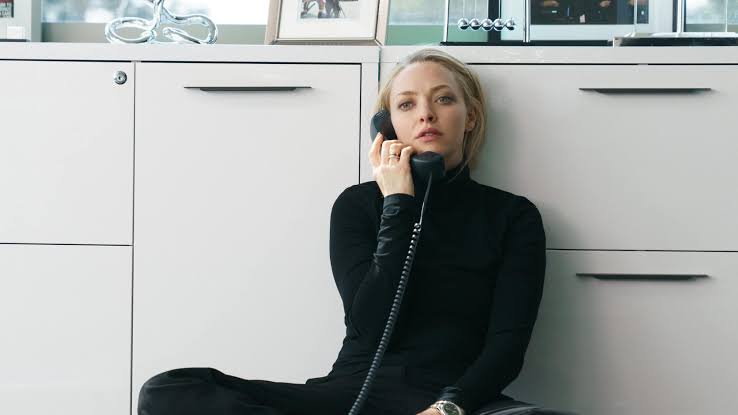
Around its halfway point, You Can See Everything reinvents itself in unexpected fashion through the introduction of a surprising co-investigator: Amanda Seyfried.
The actress, who won an Emmy for playing Holmes in the Hulu series The Dropout, joins Fielder after Holmes has begun her prison sentence. Initially, Seyfried watches the footage of the real Holmes reacting to her performance. Watching an actress watch a woman watching that actress play her is already a lot to process for the viewer and it raises all kinds of interesting questions about the ethics and ramifications of dramatizing the lives of real people.
Then, Fielder takes the Seyfried experiment further. Seyfried reprises her role as Holmes, wearing the familiar clothes and adopting the mannerisms of the woman she portrayed on television. Christopher Abbott joins her as Evans. Together, they reenact conversations and meetings that Fielder could not film for one reason or another.
It’s a wildly unconventional approach, borrowing from the reality-bending methods of Fielder’s series The Rehearsal. Seyfried becomes more than a celebrity cameo as she helps Fielder investigate what happened and interrogate his own assumptions about the people he filmed.
Billy Evans Creates an AI Elizabeth Holmes
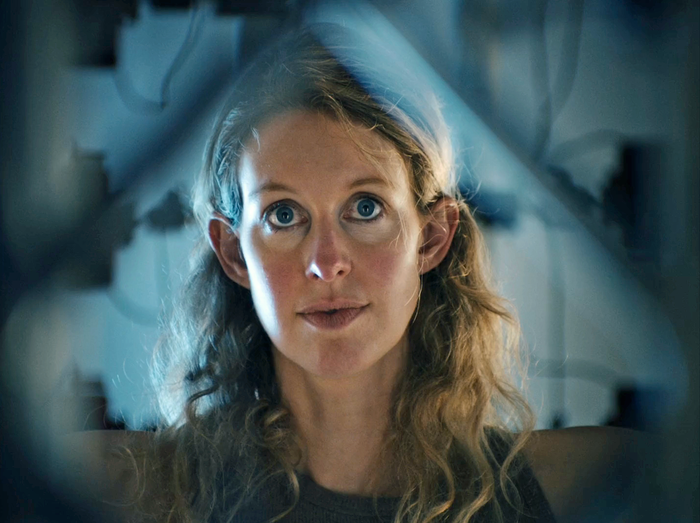
If the documentary’s first half is strange, its later developments take things to another level, primarily by exposing the complex (and potentially twisted) psychology of Billy Evans.
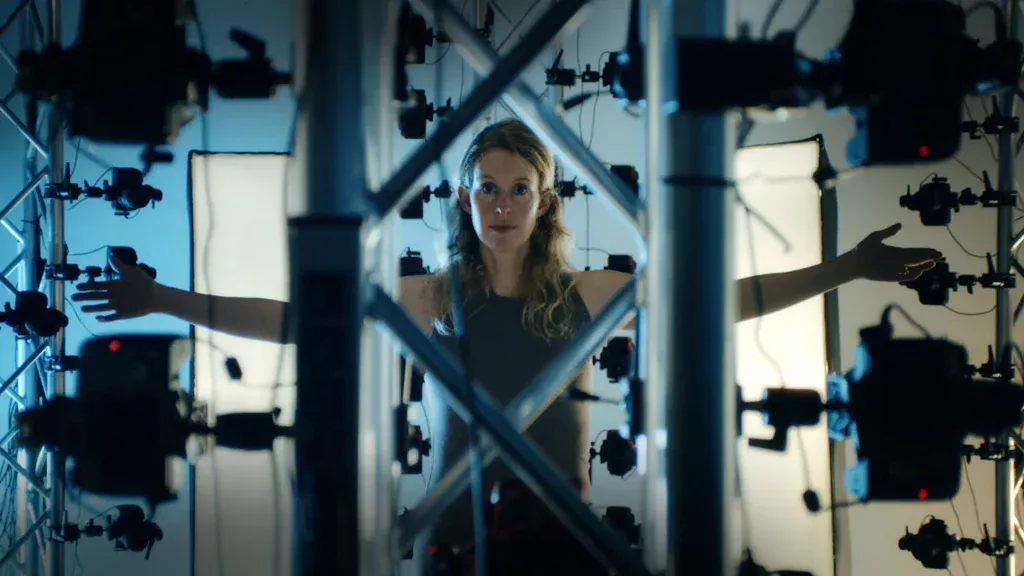
After Holmes goes to prison, Evans has her body scanned and commissions a lifelike AI version of her. The digital double can reproduce her appearance and speech, allowing him and their children to interact with a virtual version of his incarcerated partner.
It’s an unsettling development in a film already preoccupied with performance and authenticity. Holmes built a public persona around a technological vision that ultimately collapsed, yet now a digital representation of Holmes exists that can simulate her presence without actually being her.
The obvious question is why Evans wants an AI version of his partner in the first place. Is it a practical way to maintain a connection with her family while she is incarcerated or is it a glaring attempt of her husband to deprive her of a voice and essentially take on her persona, a theme that persists throughout the latter portion of the film.
Billy Asks to Get Paid for the Documentary
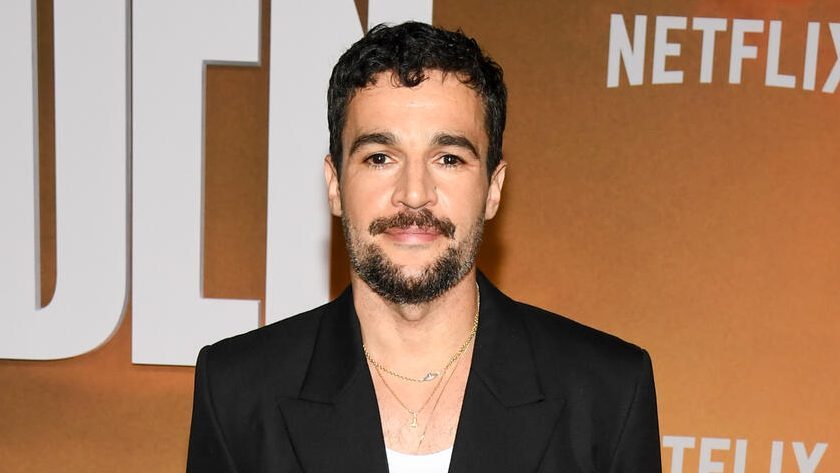
Fielder reveals that during an early meeting about the film, Evans asked for compensation for participating, a rather unconventional practice for documentary filmmaking. According to Fielder’s account, Evans cited the enormous sum reportedly earned by Prince Harry and Meghan Markle for their Netflix documentary when the filmmakers pushed back against paying documentary subjects.
Holmes had stepped away from the room before the request was made. Fielder later wonders whether her departure was deliberate, potentially allowing her to distance herself from legal ramifications of Evans’ approach.
When Fielder eventually questions Evans (who is played by Christopher Abbott in a re-enactment) about the deal, Evans becomes agitated. He says he cannot remember precisely what he told Holmes and ultimately indicates that she was unaware of the arrangement. When Fielder asks Holmes about it, she defers to Evans.
The filmmakers ultimately agreed to pay Evans an undisclosed amount from the film’s future proceeds, but the documentary ends with onscreen text that he ultimately relinquished his rights.
Amanda Seyfried Speaks to the Real Elizabeth Holmes

After spending so much time playing Holmes, Seyfried finally gets the chance to speak directly to the woman herself, albeit in a rather bizarre situation.
During a visit to Evans’ Texas home, Seyfried and Fielder happen to be there when Holmes calls from prison. Evans suddenly gives the actress his phone, and the two women suddenly engage in a brief, cordial conversation.
Seyfried tells Holmes she is amazing, but the encounter is understandably awkward. The actress is conscious that Holmes has precious time to speak with her partner and children, and she does not want to intrude on this time.
There’s also something inherently surreal about the exchange. Seyfried became internationally associated with portraying Holmes without having consulted her before playing the role. Now, after the series has aired and the documentary has captured Holmes’ reaction to it, the two are finally talking. While this interaction could easily be contentious, the two women are surprisingly cordial with one another.
Charlie Kirk Becomes the Center of a Dinner Table Confrontation

A dinner with Fielder, Seyfried, and Evans takes an unexpected political turn when the conversation shifts to Seyfried’s public comments about conservative activist Charlie Kirk, who was fatally shot in September 2025 and who Seyfried described as “hateful” in a post.
The conversation is already tense by this point. Seyfried has been questioning Evans about his finances, his power of attorney over Holmes, and his admission that he has posted from Holmes’ social media accounts without consulting her.
Then Evans criticizes Seyfried’s comments about Kirk, after which Evan reveals that he supports Kirk’s views, escalating the disagreement between them.
The exchange is remarkable because it pulls the documentary away from its immediate focus on Holmes and into a broader argument about politics, celebrity and public image. It also shines a spotlight on Evans’ political inclinations and moral failings.
The Swimming Reveal
You Can See Everything continually reinvents itself and provokes profound thought from the audience, up until the very second its final credits roll.
In the film’s final moments, Fielder and Seyfried exchange words about Holmes and theorize whether she was aware of her deception. While the topic of Seyfried’s potential bias comes up, it is with the revelation that Fielder had a more intimate relationship with Holmes that casts into doubt everything that has come before it.
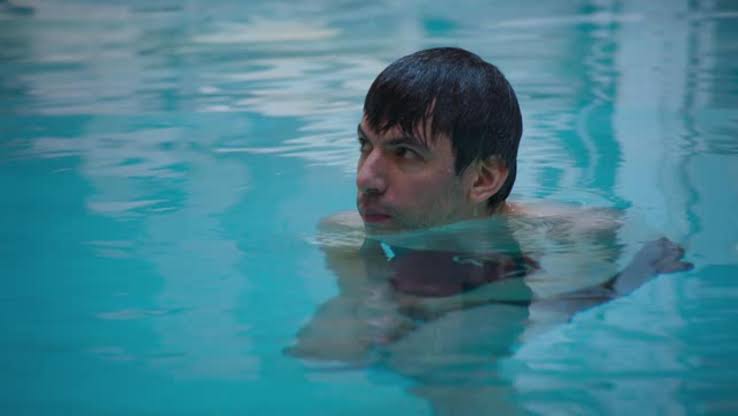
Earlier in the film, Holmes offers Fielder the chance to swim in the ocean with her, an offer he seemingly declines. However, at the end of the film, it is revealed that Fielder took Holmes up on this offer. The film concludes with video footage of the two having fun together and laughing in the ocean.
Ending the film on this note makes You Can See Everything the rare documentary with the humility to look inward and acknowledge the potential bias at play from the filmmaker behind it. In this moment, Fielder throws another twist into the mix by asking the audience to consider how valid the preceding documentary is given that he and Holmes may have developed such a friendly, intimate relationship that his perceptions of Holmes’ culpability were skewed.
You Can See Everything is now in theaters.